Events

- This event has passed.
Spring 2026 Graduate Colloquium
May 20 @ 3:00 pm - 5:00 pm
Carrie Jiang
Deodorizing Shanghai: Stinky River and Infrastructural Risk
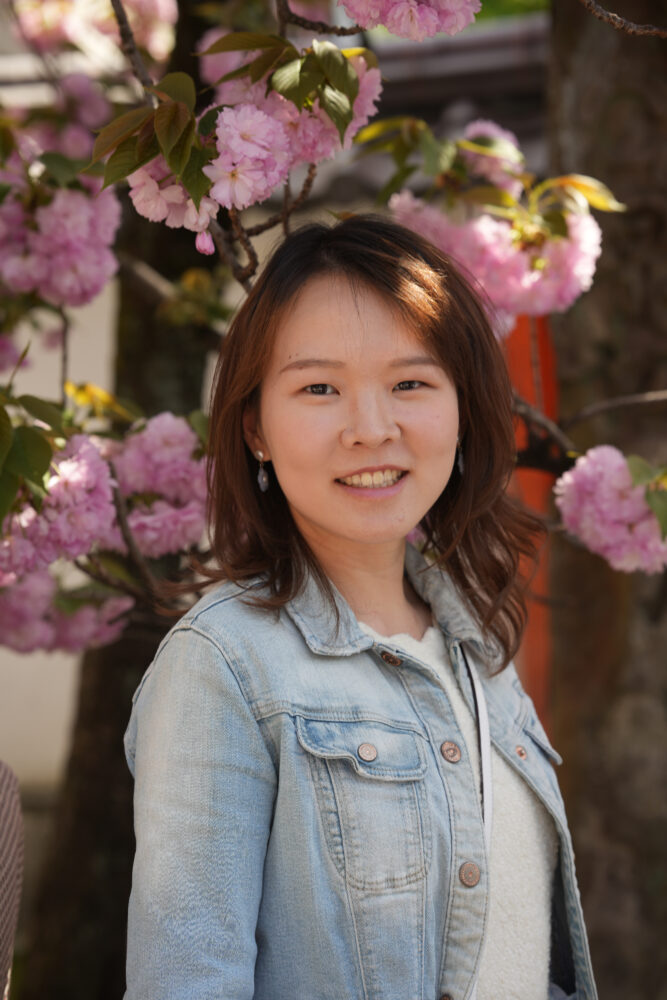 This paper centers on the pollution treatment of Suzhou River in Shanghai from 1985 to 2010 through the lens of deodorization. Employing critical theories of media studies and infrastructure studies, I tap into the potential of smell as a medium, intertwined with environmental politics and urban planning, and critically approach the ways in which such a human sensorium functions not only as part of the urban infrastructure, but also as a contested site for environmental risk, degradation, and threat against public wellness. Rapid industrialization of Shanghai made Suzhou River a natural dumping ground for living and industrial waste, exceeding the capacity of the underwater sewer system. The ubiquitous bad odor became intertwined with infrastructural backwardness and failure, which countered the vision of social progress that the municipal government hoped for. Through archival analyses of official documentaries and primary sources on wastewater treatment of Suzhou River, I place the human body at the intersection where smellscape and urban infrastructure entangled, and highlight a smelling public that transcended social demarcations through malodor as a potent agent. As the threatening smell denied a positive, well-developed image of the Shanghai Proper, regulation of the olfactory faculty became a potent instrument for civic institutions to unite the city in a battle against infrastructural failure through biopolitical campaigns, where sewerage shaped social progress.
Hannah Fleisch
The South African Truth and Reconciliation Commission’s Special Report (1996-1998): National Address, Archives, and Media Historiography.
 South Africa’s Truth and Reconciliation Commission (TRC) was a key event in the post-apartheid transition towards democracy with the priority of uncovering truths about the violence, deaths and disappearances during apartheid. The TRC was established in 1995 with public hearings taking place from 1996-2000 and was designed for widespread public access in the hope of providing the catharsis necessary for a new regime and set of politics in South Africa. The South African Broadcasting Corporation (SABC) ran a weekly television show titled The Special Report of the TRC’s proceeding as they were occurring, running from 21 April 1996 to 29 March 1998 and accruing 88 episodes. The show recapped the proceedings, captured key moments of testimony and contextualized the trials, including historicizing information that was often censored or mischaracterized by the apartheid government at the time. The ongoing public broadcast made this trial one of the longer and more extensively covered commissions internationally. These episodes have been digitized and made widely available since 2010 on the South African History Archive website and on SABC’s YouTube channel. In 2022, an audit of the TRC Video collection identified and checked 4195 tapes that were being stored and concluded that there were opportunities for complete digitization of the collection, although current conditions were potentially hazardous to the collection and that there were accusations of intentionally destroyed tapes. This presentation will introduce the context for the TRC and its broadcast, followed by a close reading of The Special Report. Following this, the essay will cover three key areas: televisual form, drawing on Raymond Williams and Jane Feuer; files and archives, putting Cornelia Vismann’s book into conversation with Derrida’s Archive Fever and reports written by Verne Harris about National Archives of South Africa; and finally, nationalism and forms of address, using John Durham Peter’s discussion of dialogue and dissemination to contextualize Sean Jacob’s analysis of the TRC as a media moment in South Africa’s incoming democratic age. Comparative analysis of The Special Report and the raw footage held in the National Archives illustrates topics around accessibility, media nationalism, and historiography. I argue that the relative accessibility of the segmented, summarized narrative presented by The Special Report in contrast to the durational, messy, raw footage of the trials presents not only a historiographic approach to media but a perspective on national narratives that might be historiogenic, a term referring to how history might be retold favourably, and are instrumental in the formation of national identities in transition. This also borrows from concepts of photogenie to process the mediated form of history through television in the privotal moment of transition and its preservation and access since. This is supported and reflected on in the examination of destroyed files, both between 1990-1994 in anticipation of the trials, and in the post-TRC with accusations of destroyed tapes.